
Lynxley Manor
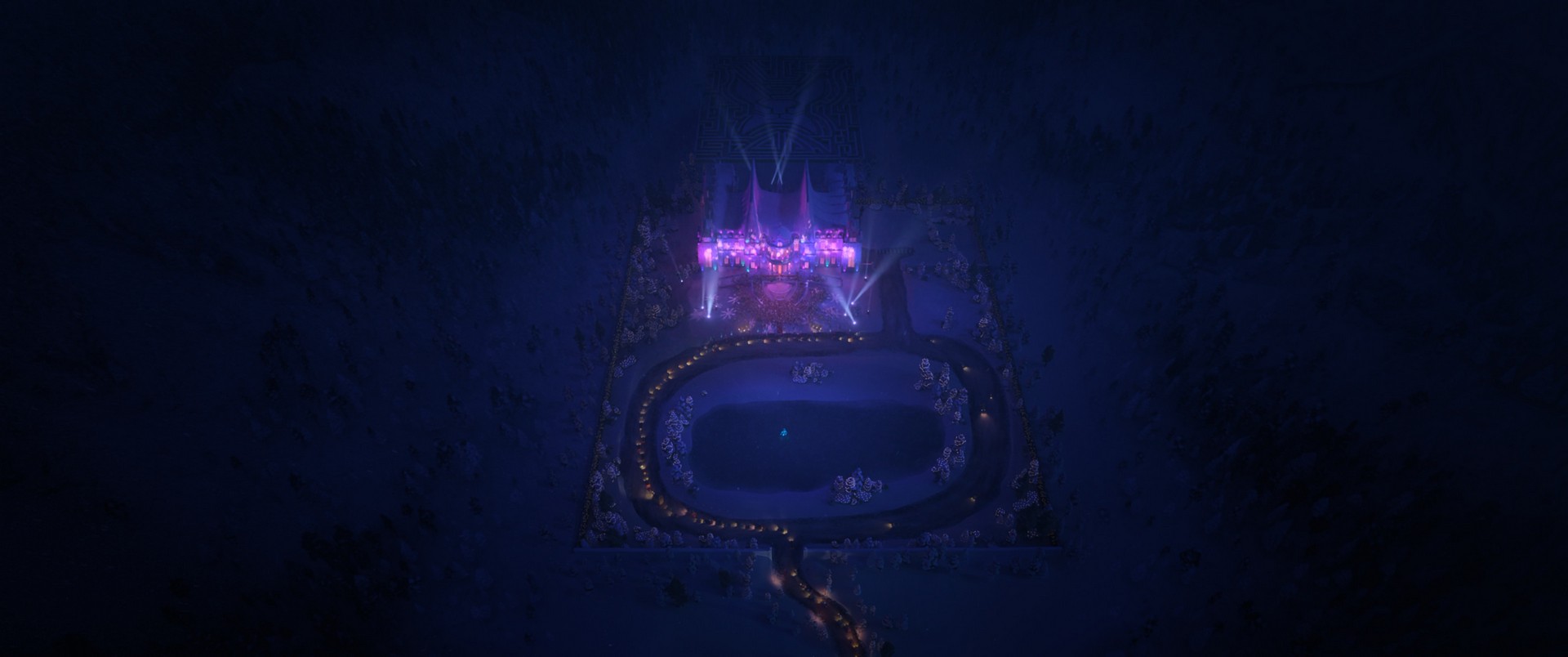
Lynxley Manor is the former estate of the Lynxley family, located in Tundratown. Once the seat of Zootopia's most powerful family, it was seized by the city-state following the family's arrest and conviction.
Description
The manor is a large estate in Tundratown, befitting the family that claimed to have invented the weather walls that created the district. It stands on frozen ground a quarter-mile from the clocktower, directly above Reptile Ravine — the district the Lynxleys buried — and its scale is deliberate, an advertisement for a century of stolen wealth. The grounds are expansive, with a hedge maze behind the house and a garden with a pine tree at the back of it.
Inside, the manor is formal to the point of coldness, every room curated and kept that way. The library is the one exception — three walls of cloth-bound spines, a marble hearth, and the smell of old paper and wood polish — and the warmest room in a house that has been cold for generations. Lillian's sitting room is the other pocket of softness: color, watercolors, a reading chair worn at the armrest, kept under dust sheets after her death. Milton's study is the counterweight to both, with a smaller fire, sharper shadows, and no poetry permitted on any shelf.
History
Zootopia 2
The Zootennial Gala is held at the manor, where the Lynxley Journal is displayed publicly for the first time. The gala is disrupted by Gary De'Snake's appearance; the pit viper steals the journal and takes Milton, and the two of them end up in Milton's own study, where Gary makes his case and is knocked out for it. Later, the manor is the site of the final chase, where Pawbert returns hoping to gain Milton's approval. Nick and Judy pursue him through the hedge maze on the grounds, and the pursuit ends below, in Reptile Ravine.
Season 1
The night of the arrests, the manor sits dark above the ZPD perimeter, lit only by the spill of emergency lights from the clocktower below. Milton is walked out of his own front door in cuffs and without a muzzle — different treatment from the one his youngest son is getting a quarter-mile away — and his transport passes the clocktower where Pawbert kneels in the snow. The window comes down long enough for Milton to mouth two words at him.
The manor also holds the memory that surfaces in "Stay". Ten years before the series opens, in the library, a fourteen-year-old Pawbert told Soren how he felt. Milton had already seen it. In the study, in the same house on the same evening, he named it an aberration, forbade any further contact, and told his son to fix himself or be fixed — the two rooms, warm and cold, holding the two halves of the memory that has looped in Pawbert ever since.
Season 2
In S02E08 "The Uncle", Pawbert returns to Lynxley Manor for the first time since the family's arrest, with Luther, Nick and Judy beside him on a ZSI access request and a bored property-control officer meeting them at the door with a clipboard and a set of keys. Two years of neglect have gone through the grounds — hedges grown formless, weeds through the gravel, crime scene tape faded on the gateposts, the iron gates standing open with their mechanism disabled. In Lillian's sitting room, Pawbert pushes past his mother's dresses and finds three boxes hidden at the back of her closet. The seizure teams had inventoried the manor's offices and vaults down to the last paper clip, but Lillian's dress closet drew a single line on the inventory sheet — CLOTHING, PERSONAL, NO EVIDENTIARY VALUE — and nobody had looked past the lavender. The boxes hold her letters, then photo albums documenting her love for him and, after her death, his systematic erasure from the family portraits. The third and oldest box holds sepia photographs of two young lynxes at a weather wall terminal, captioned on the back "M & C - Site 18 Terminal, Commissioning Day," and a portrait labeled "C. Lynxley, Chief Engineer, Weather Wall Maintenance Division" — evidence that Clawrence Lynxley ran the weather wall operation before Milton decided he wanted it for himself.
Post-Arrest
Following the arrest and conviction of the entire Lynxley family, all Lynxley assets — including the manor — are seized by the Zootopia city-state. When Pawbert is released in Season 4, he has nothing; his former family home belongs to the government. Luther takes him to Pawthorne Mansion instead, and by the end of that first day asks him to move in for real — a home built on love rather than stolen legacy.
Season 5
The manor surfaces once more in conversation. Reunited with Pawbert on Pawlawan, Cattrick and Kitty tell him what the trial transcripts never recorded: when Mayor Winddancer came for Milton at the manor, their father grabbed them both and put them between himself and danger. The same conversation turns, hours later, to the pine tree in the manor garden that a young Pawbert climbed and stayed stuck in for three hours, and to the drawings and bad jokes he used to hide around the house in jacket pockets and under pillows.
The closing sweep of "Always" returns to the estate. The manor is boarded up, its windows dark, snow drifted over the entrance and held there by the weather walls the family built its name on. Behind it, the hedge maze has gone overgrown and unrecognizable. The estate stands empty, and stays that way.
Significance
Lynxley Manor represents the outward display of power built on fraud — a house standing on top of the district its owners buried. Its seizure and Pawbert's eventual home at Pawthorne Mansion illustrate the series' contrast between Milton's conditional, performance-based "love" and Luther's unconditional acceptance.